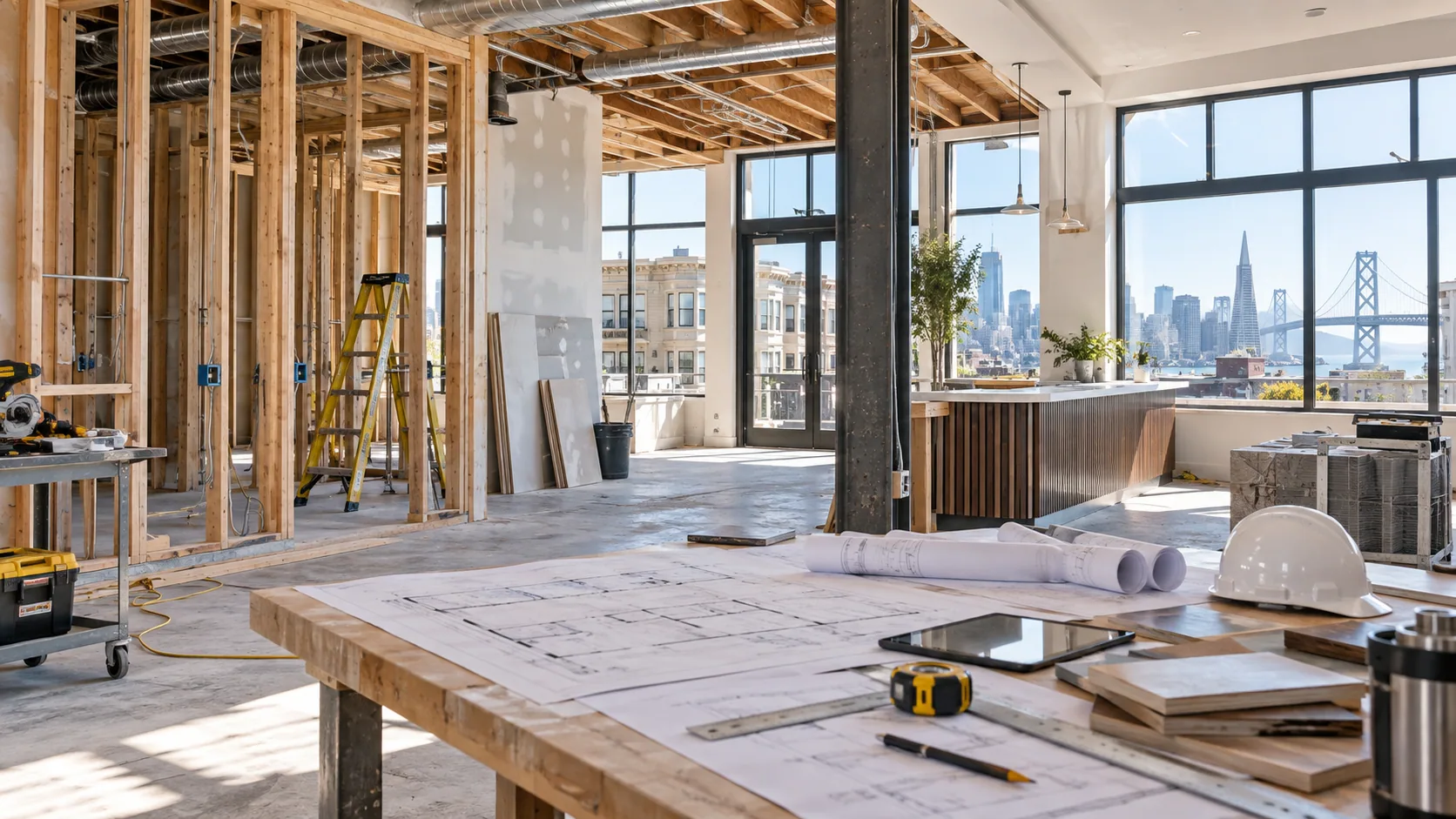
Flag the project before work begins
A tenant buildout, structural repair, system replacement, conversion, or phased renovation should be raised when it is planned—not after invoices arrive. Record whether spaces stay occupied, become vacant, or are taken out of service.
Map the work by address, floor, contractor, planned dates, and expected impact on operations. This separates a small maintenance task from a material change to the building account.
Collect project documentation
Keep contracts, scopes, budgets, permits, drawings, schedules, contractor insurance requirements, and site-safety procedures in the project file. Identify which entity owns the work and which agreement assigns responsibility.
If tenants remain in the building, retain notices and a current occupancy plan. The operational facts given for an insurance review should match the actual construction sequence.
Compare policy and contract questions
Read property, liability, builder’s-risk or course-of-construction terms where proposed, along with vacancy, unoccupancy, protective-safeguard, water, and renovation-related conditions. Compare them with the project contract rather than treating a certificate as the contract answer.
Ask which location, values, contractors, deductibles, and project dates were used in the proposal. Do not assume every construction-related circumstance is addressed by the existing property policy.
- Does the project alter building values or scheduled premises?
- Who controls the site and what does the agreement require?
- Are permits, completion dates, and occupied areas current?
Reconcile at completion
When the work is complete, update the property schedule, values, photographs, invoices, and final agreements. Keep the pre-project and post-project records so renewal discussions can distinguish completed work from planned work.
Issued policy wording, declarations, endorsements, facts, and applicable law control. This article is an operational checklist, not a coverage opinion.
Coordinate construction facts with commercial property insurance
The project manager, owner, property manager, lender, contractor, and business insurance team may each hold a different document. Create one renovation index with the signed contract, change orders, permit status, construction schedule, projected values, occupancy plan, contractor requirements, and emergency contacts. Give each document a date and owner so a renewal submission does not rely on an earlier version of the project.
Describe a phased project in plain language: which building, what work, who controls the work area, whether tenants remain, when systems are shut down, and when the work is expected to finish. This is more helpful than a broad statement that the property is “under renovation,” and it makes it easier to identify whether commercial property, general liability, umbrella, or course-of-construction questions belong in the review.
Closeout is an insurance-review event
When construction ends, collect the final cost summary, completion certificate where applicable, revised plans, equipment specifications, warranties, photographs, and change orders. Compare the final property description with the value schedule and the premises listed in the issued documents. If the project changed the exposure during the policy period, note when and how the change was communicated.
Use a post-project review to ask whether any temporary protection, vacancy condition, contractor certificate, or construction assumption should be removed or replaced. The exact policy documents and project facts govern. A completed project does not automatically mean that every resulting property or liability issue is addressed.
A detailed renovation review agenda
Begin with the scope and timeline. Identify what is being built, repaired, replaced, or converted; which premises are affected; who owns the work; whether the building remains occupied; and the date each phase begins and ends. Attach the construction contract, change-order log, budget, permit record, and occupancy plan so the insurance discussion is based on current project facts.
Review the contracts next. Identify insurance obligations, indemnity provisions, certificate requests, additional-insured requirements, builder’s-risk or course-of-construction requirements where applicable, and responsibility for existing versus new work. A construction contract can create questions for commercial property insurance, general liability, and umbrella review, but the contract cannot itself amend a policy.
Compare those records with the proposed policy schedule, premises description, values, deductibles, vacancy or unoccupancy conditions, water and protective-safeguard provisions, exclusions, endorsements, and policy dates. Ask whether the quote describes the work as planned, underway, or complete. A one-word project status can obscure a material difference in the submission.
At closeout, reconcile final costs and building changes to the property schedule. Keep a record of who communicated material updates and when. Policy wording, declarations, endorsements, facts, and applicable law control; this meeting agenda does not determine that construction-related damage is covered.